
Chiropractic care offers a natural treatment for pinched nerves after a crash. Chiropractors identify and correct spinal misalignments compressing nerves through gentle adjustments, exercises, and lifestyle modifications, avoiding invasive procedures or medication. This holistic approach effectively reduces pain and improves function in conditions like lumbar radiculopathy, focusing on complete nerve restoration.
Nerve pathway restoration through chiropractic care has emerged as a valuable treatment option for individuals seeking relief from pinched nerves, especially after traumatic events like crashes. The impact of such incidents can lead to significant discomfort and limited mobility, highlighting the crucial need for effective interventions. Chiropractic adjustments offer a natural approach to address these issues without invasive procedures or strong medications. This article delves into the intricate mechanisms of nerve restoration, providing an authoritative guide for individuals considering chiropractic as a treatment for pinched nerves after a crash, seeking a holistic path to recovery and improved quality of life.
- Understanding Nerve Compression & Chiropractic Care
- Natural Treatment: Chiropractic for Pinched Nerves Post-Crash
- Restoring Function: The Chiropathic Recovery Process
Understanding Nerve Compression & Chiropractic Care
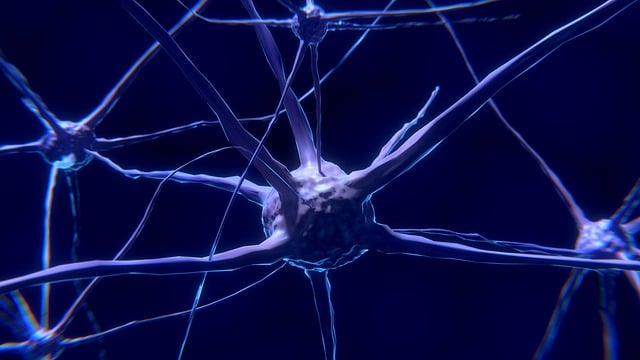
Nerve compression is a common issue resulting from various traumas, including automobile accidents, sports injuries, or repetitive stress. When a nerve becomes pinched, it can cause pain, numbness, weakness, or tingling sensations downstream from the affected area. In the context of a car crash, for instance, whiplash or direct impact can lead to spinal misalignments that put pressure on nearby nerves. Traditional treatment options often involve medication and surgery, but many patients are seeking alternative approaches like chiropractic care as a natural treatment for pinched nerves after a crash.
Chiropractic professionals are trained to diagnose and address mechanical disorders of the musculoskeletal system, with a particular focus on the spine. In cases of nerve compression, chiropractors employ various techniques to relieve pressure on the affected nerve roots. This may include manual adjustments to correct spinal misalignments, targeted exercises to strengthen supporting muscles, and recommendations for postural improvements. For example, research has shown that chiropractic care can significantly reduce pain and improve function in patients with lumbar radiculopathy, a common condition stemming from pinched nerves in the lower back.
The advantage of chiropractic care lies in its holistic approach, which considers not just the site of injury but also the body's overall alignment and movement patterns. By addressing underlying structural issues, chiropractors aim to provide lasting relief rather than merely masking symptoms. It is important to note that while chiropractic care can be highly effective, results may vary from person to person. A comprehensive treatment plan often combines chiropractic adjustments with patient education, lifestyle modifications, and, when necessary, other therapeutic interventions for optimal nerve pathway restoration.
Natural Treatment: Chiropractic for Pinched Nerves Post-Crash

Chiropractic care offers a promising natural treatment approach for individuals suffering from pinched nerves after a crash or traumatic event. This hands-on therapy focuses on restoring nerve function and alleviating pain through gentle adjustments to the spine and joints. Chiropractors are experts in diagnosing and treating musculoskeletal disorders, including those resulting from accidents. When a nerve is pinched post-crash, traditional treatments often involve medications and surgery, but chiropractic offers a conservative alternative.
The goal of treatment for pinched nerves after a crash with a chiropractor naturally is to reduce pressure on the affected nerve(s) and promote healing. Chiropractors utilize various techniques such as spinal manipulation, joint mobilization, and soft tissue therapy to correct structural misalignments. For example, in cases where whiplash injuries have caused nerve compression in the neck, specific adjustments can help restore nerve flow, reducing symptoms like numbness, tingling, and pain that often radiate down the arms. A study published in The Journal of Chiropractic Medicine found that chiropractic care significantly improved nerve conduction velocity and reduced pain in patients with chronic neck pain and pinched nerves.
Chiropractic care is particularly valuable as a non-invasive, drug-free option for individuals seeking alternative treatments. It can help prevent surgery or the long-term use of powerful medications. Chiropractors work collaboratively with patients to develop individualized treatment plans, incorporating education on posture, ergonomics, and lifestyle modifications to enhance healing. Regular adjustments and monitoring over time may be necessary to ensure complete nerve restoration and prevent future issues. By addressing the underlying structural causes of pinched nerves, chiropractic care offers a holistic approach to recovery.
Restoring Function: The Chiropathic Recovery Process

Chiropractic care offers a promising avenue for nerve pathway restoration, particularly following traumatic events like a car crash. The primary goal of chiropractic treatment for pinched nerves after a crash is to alleviate pressure on affected neural structures and facilitate their natural healing process. Chiropractors employ a multi-faceted approach that combines manual adjustments, specific exercises, and lifestyle recommendations.
The recovery process begins with a thorough evaluation to identify the exact location and extent of nerve compression. This may involve diagnostic imaging, such as X-rays or MRIs, to rule out more severe injuries. Once the chiropractor pinpointing the problem area, they use gentle, controlled adjustments to correct spinal misalignments that might be pressing on nerves. These adjustments are tailored to each patient's specific needs, ensuring a safe and effective treatment for pinched nerves.
In addition to manual manipulation, chiropractors often prescribe specific exercises designed to strengthen the spine and surrounding muscles, promoting better postural alignment and reducing the risk of future nerve compression. Lifestyle modifications, including ergonomic improvements at work or home, are also integral to the overall treatment plan. By addressing these contributing factors, chiropractic care empowers individuals to manage their symptoms naturally and restore optimal function without resorting to invasive procedures or long-term medication.
Chiropractic care emerges as a powerful treatment for pinched nerves after a crash, offering a natural approach to restore nerve function. By understanding nerve compression and its impact, chiropractors employ precise techniques to alleviate pressure, enabling the body's inherent healing mechanisms. The article highlights the comprehensive process of chiropractic recovery, from assessing nerve damage to implementing tailored adjustments. This holistic method not only provides relief but also facilitates a full recovery, allowing individuals to regain mobility and reclaim their active lifestyles. Through this authoritative exploration, readers gain valuable insights into the effectiveness of chiropractic as a safe and effective treatment for pinched nerves, emphasizing its potential to revolutionize post-crash rehabilitation naturally.