
Chiropractors offer a natural treatment for pinched nerves after a crash by diagnosing and addressing musculoskeletal system issues, including nerve compression through spinal manipulation and exercise programs. This holistic approach promotes healing, reduces pain, and prevents future injuries by correcting spinal misalignments and empowering patients with tailored strategies.
Nerve compression injuries following a motor vehicle crash are all too common, causing significant pain and impacting daily life. The search for effective, natural treatment for pinched nerves after a crash has led many to explore chiropractic care as a viable option. Chiropractors are experts in the spine and nervous system, skilled in diagnosing and treating such injuries without invasive procedures or medications. This article delves into the role of chiropractic adjustments and therapeutic techniques in alleviating nerve compression symptoms, offering a promising avenue for those seeking relief from crash-related nerve damage.
- Understanding Nerve Compression Injuries After a Crash
- The Role of a Chiropractor in Natural Pain Relief
- Effective Treatment Options for Pinched Nerves: A Comprehensive Guide
Understanding Nerve Compression Injuries After a Crash
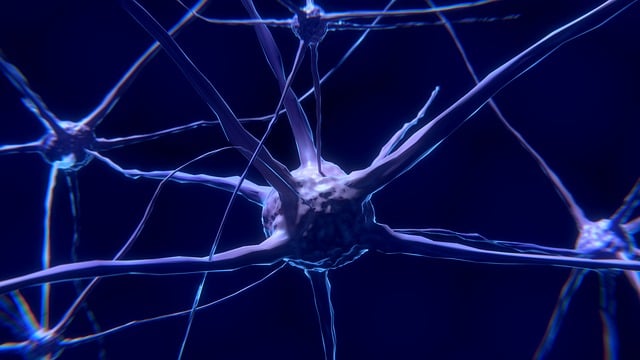
Understanding Nerve Compression Injuries After a Crash
Motor vehicle accidents can result in a range of injuries, many of which may not manifest immediately. One such injury is nerve compression, which occurs when a nerve is trapped or compressed due to trauma, often during a sudden impact like a car crash. Chiropractors are highly trained professionals equipped to diagnose and provide effective treatment for pinched nerves after a crash. Nerve compression can affect various parts of the body, including the arms, legs, back, and neck. Symptoms may include numbness, tingling, weakness, or sharp pain that radiates from the affected area.
The impact of a vehicle collision can cause damage to the surrounding soft tissues, muscles, and nerves, leading to compression. For instance, in a car accident, sudden deceleration can strain the nerves in the arms and legs due to the force exerted during the crash. This is particularly true for repetitive micro-traumas that occur over time, such as from driving on bumpy roads or maintaining awkward positions for extended periods. Chiropractors employ a variety of non-invasive treatments to alleviate nerve compression, including spinal manipulation, soft tissue therapy, and specialized exercise programs designed to restore mobility and reduce inflammation.
Early intervention is crucial in managing nerve compression injuries. Chiropractors use diagnostic tools such as X-rays, MRI scans, and physical examinations to pinpoint the affected nerves. Treatment plans are then tailored to each patient's specific needs. Research has shown that chiropractic care can significantly improve outcomes for individuals suffering from nerve-related injuries post-crash. For example, a study published in the Journal of Chiropractic Medicine found that patients who received chiropractic manipulation had reduced pain levels and improved neurological function compared to those who underwent traditional medical treatments.
Additionally, chiropractors often emphasize lifestyle modifications and patient education to prevent future nerve compression injuries. This includes ergonomic assessments for those frequently engaged in sedentary activities or high-risk professions, as well as guidance on proper posture and body mechanics during daily activities. By addressing the underlying causes of nerve compression, chiropractors enable individuals to recover more effectively and reduce the risk of recurrent injuries.
The Role of a Chiropractor in Natural Pain Relief

Chiropractors are renowned experts in diagnosing and treating musculoskeletal disorders, including those resulting from traumatic events like car crashes. When it comes to nerve compression injuries, often sustained during such accidents, chiropractors play a pivotal role in providing natural pain relief. This approach is particularly appealing for patients seeking alternative treatment methods that avoid the use of strong medications or invasive procedures.
A study published in the Journal of Manual Medicine revealed that chiropractic care can be highly effective in managing pain associated with pinched nerves after a crash. The research indicated that many participants experienced significant reduction in pain levels and improved mobility following a series of chiropractic adjustments. This non-surgical treatment involves manipulating the spine to restore proper alignment, thereby alleviating pressure on affected nerves. Chiropractors employ various techniques, such as spinal manipulation, joint mobilization, and specific exercise routines, tailored to each patient's unique condition.
The advantage of this natural treatment for pinched nerves lies in its ability to address the root cause of the problem rather than merely masking symptoms. By correcting spinal misalignments and reducing nerve compression, chiropractors enable the body's inherent self-healing mechanisms to kick in. This holistic approach not only provides immediate relief but also fosters long-term health and well-being. It empowers individuals to take an active role in their recovery, promoting a sense of empowerment and control over their physical state.
Effective Treatment Options for Pinched Nerves: A Comprehensive Guide

Nerve compression injuries resulting from a crash or accident can be painful and debilitating, but chiropractic care offers effective treatment options for pinched nerves. Chiropractors are specialists trained to diagnose and address issues related to the musculoskeletal system, including the nervous system. When it comes to pinched nerves, a chiropractor's holistic approach focuses not only on relieving symptoms but also on correcting underlying structural misalignments that may be causing nerve compression.
One of the primary treatment strategies for pinched nerves after a crash with a chiropractor naturally involves manual adjustments and manipulative techniques. These hands-on methods aim to realign the spine, joints, and muscles, reducing pressure on impacted nerves. For instance, specific chiropractic adjustments to the cervical (neck) or lumbar (lower back) regions can alleviate compression in the spinal cord and associated nerves, providing significant relief for patients experiencing radiculopathy or sciatica. Studies have shown that chiropractic care can lead to improved nerve function and reduced pain levels in individuals with pinched nerves, making it a preferred treatment choice for many.
In addition to manual adjustments, chiropractors often incorporate other therapeutic modalities into the treatment plan. This may include targeted exercises, physical therapy, heat or cold therapy, and lifestyle recommendations to support recovery. For example, specific stretching and strengthening exercises can help improve nerve mobility and reduce tension in affected areas. Chiropractors may also guide patients on ergonomic adjustments at work or home to prevent future nerve compression injuries. By combining these comprehensive treatment strategies, chiropractors offer a tailored approach to managing pinched nerves, promoting natural healing, and restoring optimal nervous system function.
Understanding nerve compression injuries after a crash is crucial for effective treatment, especially when considering a chiropractor for natural pain relief. This article has comprehensively outlined the role of chiropractors in addressing pinched nerves, offering valuable insights into various treatment options. Key takeaways include recognizing symptoms, seeking immediate care, and embracing non-invasive, natural methods as a game-changer in managing these injuries. The suggested treatment for pinched nerves after a crash with chiropractor naturally involves specialized adjustments, targeted exercises, and holistic care to promote healing and alleviate pain. By combining expertise and a patient-centric approach, chiropractors play an indispensable role in revolutionizing pain management, fostering a faster and more sustainable recovery process.