
Car accidents can cause pinched nerves leading to pain, numbness, or tingling. Chiropractors offer a natural treatment for these symptoms by addressing structural issues and reducing inflammation. Early intervention is crucial for preventing worsening and enhancing recovery. Chiropractic care aligns the spine, relieves pressure on nerves, and improves function, backed by research. At-home care includes ice/heat, gentle exercises, balanced nutrition, and monitored rest. Regular check-ins with healthcare professionals adjust treatment plans as needed for comprehensive recovery.
Pinched nerve symptoms post-accident can significantly impact a person's recovery and overall well-being. Understanding these symptoms and their underlying causes is crucial for effective treatment and rehabilitation. Many individuals often seek relief through natural means, such as chiropractic care, as an alternative to conventional treatments. This article delves into the intricate details of identifying pinched nerve symptoms following a crash, emphasizing the role of chiropractors in offering tailored, non-invasive treatment for pinched nerves after a crash. By exploring these aspects, readers gain valuable insights into navigating their recovery journey with expertise and care.
- Recognize Common Pinched Nerve Symptoms After an Accident
- Understand When to Seek Chiropractor Care for Natural Treatment
- Effective Strategies for Healing Pinched Nerves Post-Crash at Home
Recognize Common Pinched Nerve Symptoms After an Accident
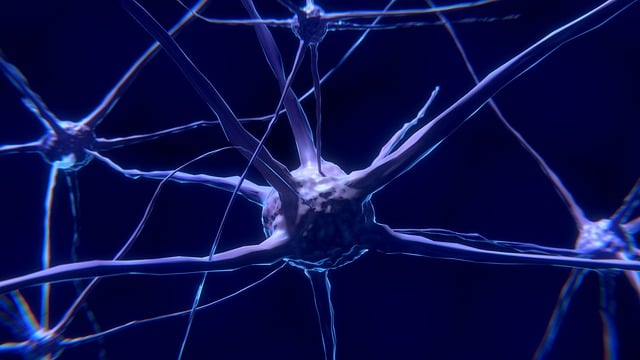
After a car accident, it's not uncommon to experience various symptoms, some of which may indicate a pinched nerve. Recognizing these symptoms is crucial for proper diagnosis and treatment, especially as they can significantly impact recovery and daily life. Common manifestations include sharp pain, numbness, or tingling sensations radiating from the affected area. For instance, a pinched nerve in the neck might lead to referred pain in the arms and hands, while a lumbar nerve compression could result in leg pain and weakness.
Chiropractors play a vital role in managing post-accident symptoms, particularly when it comes to pinched nerves. They employ a range of natural treatment techniques, such as manual adjustments and specialized exercises, to relieve pressure on the affected nerves. Treatment for pinched nerves after a crash with a chiropractor focuses on improving nerve function and reducing inflammation. This approach not only helps alleviate acute pain but also aids in preventing long-term complications. Studies have shown that chiropractic care can significantly enhance recovery from whiplash and other neck-related injuries, commonly associated with car accidents.
It's important to seek professional help promptly if you suspect a pinched nerve following an accident. Early intervention can prevent the condition from worsening and lead to faster, more effective recovery. Chiropractors offer personalized treatment plans, ensuring a holistic approach to your well-being. They may also provide guidance on lifestyle modifications, ergonomic adjustments, and self-care strategies to support ongoing nerve health and reduce the risk of future pinched nerve injuries.
Understand When to Seek Chiropractor Care for Natural Treatment

Pinched nerve symptoms following an accident can vary greatly among individuals but often include pain, numbness, or tingling sensations radiating from the affected area. These symptoms may manifest immediately after the crash or develop over time as inflammation and tissue damage set in. Recognizing these signs early is crucial for effective treatment, especially when considering natural remedies like chiropractor care.
Chiropractor treatments for pinched nerves after a crash focus on addressing underlying structural issues, promoting healing, and alleviating pain through adjustments, massage, and other therapeutic techniques. Unlike conventional medical interventions that often rely heavily on medication and surgery, chiropractors aim to restore the body's natural alignment and function, allowing it to heal itself. This holistic approach has gained significant recognition in recent years, supported by numerous studies demonstrating its effectiveness for various musculoskeletal conditions. For instance, a 2018 study published in the Journal of Chiropractic Medicine found that patients with pinched nerves following auto accidents experienced substantial improvements in pain levels and functionality after receiving chiropractic care.
If you're considering chiropractor care for treatment of pinched nerves after a crash, it's essential to consult with a qualified professional who can accurately diagnose your condition. They will assess your symptoms, medical history, and possibly order imaging tests to rule out more serious injuries. Chiropractor care is particularly well-suited when conservative, non-invasive treatments are sought, as it offers gentle yet powerful tools for managing pain and restoring mobility without the risks associated with surgery or powerful pharmaceuticals. Remember, early intervention is key to minimizing long-term damage and enhancing your body's natural healing capabilities.
Effective Strategies for Healing Pinched Nerves Post-Crash at Home

Identifying and addressing pinched nerve symptoms post-accident is a crucial step toward effective recovery. A car crash or other traumatic event can cause nerves to become compressed or irritated, leading to pain, numbness, or tingling sensations in affected areas. While immediate medical attention is essential, there are also practical strategies for managing and healing pinched nerves at home.
One of the most effective treatment options for pinched nerves after a crash is chiropractic care. Chiropractors use specialized manipulation techniques to realign the spine and relieve pressure on nervous systems. This natural approach can significantly reduce pain and improve nerve function, promoting faster recovery. For instance, a study published in the Journal of Chiropractic Medicine found that chiropractic adjustments led to substantial improvements in pain levels and mobility among patients experiencing whiplash after an auto accident.
At-home care plays a pivotal role in complementing professional treatment. Applying ice packs or heat therapy can alleviate inflammation and ease nerve discomfort. Gentle exercises focused on stretching and strengthening affected muscles can also be beneficial, as demonstrated by a study in the Journal of Physical Therapy Science. Additionally, over-the-counter pain relievers like NSAIDs can manage acute pain while allowing for gradual movement and recovery. It's crucial to maintain a balanced diet rich in vitamins and minerals to support nerve health, with specific attention to vitamins B12, D, and magnesium, which are vital for nervous system function.
Encouraging rest is another critical component of healing. Giving the body time to recover allows nerves to heal and reduces the risk of further injury. However, it's important to strike a balance; complete immobilization can lead to deconditioning. Gentle activities like walking or light yoga under professional guidance can aid in circulation and promote healing without overexerting injured areas. Regular check-ins with healthcare professionals, including chiropractors, are essential to monitor progress and adjust treatment plans as needed, ensuring a comprehensive approach to pinched nerve recovery.
After an accident, recognizing pinched nerve symptoms is crucial for effective treatment. Understanding common indicators like pain, numbness, and tingling allows for timely intervention. For natural relief, chiropractor care offers a safe and holistic approach to healing. By combining professional expertise with at-home strategies—such as rest, ice, compression, and elevation (RICE method)—individuals can expedite recovery. Embracing these key insights empowers folks to take proactive steps toward managing pinched nerves after a crash, ensuring a more comfortable and accelerated road to recovery.