
Understanding treatment for pinched nerves after a crash is crucial. Chiropractors offer non-invasive solutions like manual adjustments and exercises, showing better outcomes within weeks of injury. They create personalized plans addressing acute pain and long-term nerve health to minimize chronic issues. Other natural treatments include physical therapy, massage, and acupuncture, which, integrated into a comprehensive plan, provide substantial relief for pinched nerve symptoms following traumatic events. Chiropractor-guided recovery focuses on correcting misalignments and incorporates lifestyle recommendations to prevent future injuries, enabling patients to achieve symptom reduction and maintain control over their condition for a healthier lifestyle.
Pinched nerves following a motor vehicle crash are a common concern, causing significant discomfort and impacting daily life. Traditional treatment options often involve invasive procedures or medications with potential side effects. However, there's growing interest in natural pinched nerve therapy as a safe and effective alternative for recovery. This article delves into the world of non-surgical treatments, focusing on chiropractic care as a powerful tool to address pinched nerves after a crash, offering a holistic approach to pain relief and improved mobility without relying on drugs or surgery. By exploring these options, individuals can make informed decisions about their treatment journey towards a pain-free life.
- Understanding Pinched Nerves After a Crash
- Natural Therapy Options for Relief
- Chiropractor-Guided Recovery for Nerve Healing
Understanding Pinched Nerves After a Crash
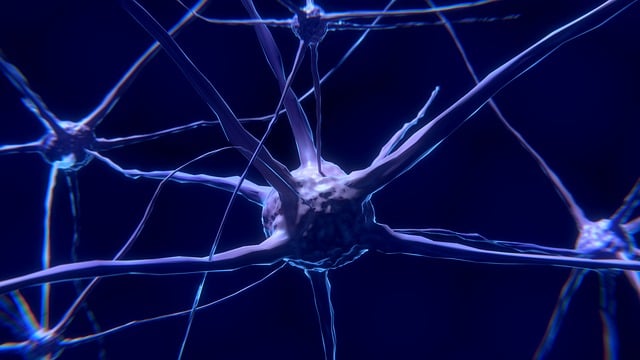
Understanding pinched nerves after a crash is crucial for effective treatment. When a sudden impact or trauma occurs, such as in a car accident, the body's soft tissues—muscles, tendons, and ligaments—can be stretched, sprained, or even torn. This can lead to what is commonly referred to as a "pinched nerve," where nearby structures compress a nerve, causing pain, numbness, or tingling sensations. The lower back, neck, and wrists are particularly susceptible areas due to their close proximity to major nerves.
Chiropractors naturally offer a comprehensive treatment for pinched nerves after a crash. They employ various non-invasive techniques, including manual adjustments, specific joint manipulation, and targeted exercises, to relieve pressure on the affected nerves. For instance, spinal adjustment can help realign misaligned vertebrae, reducing compression on nearby nerve roots. Additionally, chiropractors may recommend stretching and strengthening exercises tailored to the individual's condition to support long-term recovery. Research suggests that chiropractic care can significantly improve symptoms of pinched nerves, offering a conservative and effective alternative to surgery or extensive medication.
Early intervention is key in managing pinched nerves post-crash. Seeking treatment from a qualified chiropractor within the first few weeks after an injury can lead to better outcomes and faster recovery times. Chiropractors work collaboratively with patients to develop personalized treatment plans that address both acute pain management and long-term nerve health. This holistic approach ensures individuals not only find relief but also regain full function and mobility, minimizing the risk of chronic pain or further damage.
Natural Therapy Options for Relief

Many individuals seeking relief from pinched nerves after a crash often turn to natural therapy options as an alternative or complementary approach. Chiropractors play a pivotal role in this regard, offering a range of treatments designed to alleviate pain and promote healing without relying on medication or invasive procedures. One of the primary goals is to address the underlying causes of nerve compression, such as misaligned vertebrae or soft tissue injuries, through gentle adjustments and specialized techniques.
Chiropractic care for pinched nerves typically involves a combination of manual manipulation, targeted exercises, and lifestyle modifications. Chiropractors may employ specific adjustment techniques tailored to the patient's condition, focusing on the spine and surrounding structures. For instance, a study published in the Journal of Manipulative and Physiological Therapeutics found that chiropractic adjustments significantly improved pain levels and functional outcomes in patients with neck pain, a common consequence of a crash. Additionally, chiropractors often recommend specific stretches and exercises to strengthen supporting muscles, improve posture, and reduce the risk of future nerve compression.
Beyond manual therapy, natural treatments for pinched nerves after a crash may include physical therapy, massage, and acupuncture. Physical therapy involves customized exercise programs designed to enhance flexibility, strengthen muscles, and improve overall body mechanics. Massage therapy can help alleviate muscle tension and promote blood flow to the affected area. Acupuncture, an ancient practice, stimulates specific points along the body's energy pathways, potentially reducing pain and inflammation. A 2018 review in the Journal of Alternative and Complementary Medicine highlighted the effectiveness of acupuncture in managing chronic neck pain, a condition often associated with nerve compression following a collision. Integrating these natural therapy options into a comprehensive treatment plan can offer substantial relief and empower individuals to manage their symptoms effectively.
Chiropractor-Guided Recovery for Nerve Healing

Chiropractor-guided recovery plays a pivotal role in the natural treatment for pinched nerves after a crash or other traumatic events. Chiropractors are experts in diagnosing and addressing issues related to the musculoskeletal system, including pinched nerves caused by anatomical misalignments or acute injuries. Their holistic approach focuses on correcting these misalignments through gentle adjustments, creating an environment conducive to nerve healing. This method is particularly beneficial for individuals seeking non-invasive alternatives to conventional medicine.
One of the key advantages of chiropractor-guided recovery is its ability to alleviate pain and promote healing without relying heavily on medications or surgeries. Chiropractors utilize specific techniques tailored to each patient's needs, ensuring precise manipulation of the spine and surrounding structures. For instance, a study published in the Journal of Manipulative and Physiological Therapeutics found that chiropractic care significantly improved symptoms associated with pinched nerves, including pain and numbness, compared to standard care alone. This evidence underscores the effectiveness of chiropractor-guided treatment in managing and resolving nerve compression issues naturally.
Additionally, chiropractors often incorporate lifestyle recommendations as part of the overall treatment plan. This includes ergonomic adjustments to prevent future injuries, exercises to strengthen supporting muscles, and stress management techniques. By addressing these underlying factors, individuals can achieve lasting relief from pinched nerves and reduce the risk of recurrent symptoms. A holistic treatment approach ensures that patients not only find immediate relief but also gain long-term control over their condition, fostering a healthier and more active lifestyle.
Understanding pinched nerves after a crash is a critical first step towards effective treatment for pinched nerves after a crash with chiropractor naturally. By recognizing the symptoms and causes, individuals can explore a range of natural therapy options for relief, including chiropractic care, which has proven successful in guiding recovery for nerve healing. This comprehensive approach not only offers immediate comfort but also supports long-term health by addressing the root causes. Readers equipped with this knowledge are empowered to take charge of their well-being and make informed decisions regarding their treatment, ensuring a more swift and holistic recovery process.
Related Resources
National Institute of Neurological Disorders and Stroke (Government Portal) (Government Site): [Offers comprehensive information on nerve conditions and research, including therapy options.] - https://www.ninds.nih.gov/health-information/disorders/nerve-conditions
Mayo Clinic (Medical Website) (Private Medical Institution): [Provides detailed explanations of various medical conditions and treatment options for pinched nerves.] - https://www.mayoclinic.org/diseases-conditions/pinched-nerve/symptoms-causes/syc-20360487
American Physical Therapy Association (Professional Organization) (Industry Leader): [Offers resources and research on physical therapy interventions for nerve-related issues.] - https://www.apta.org/
Johns Hopkins Medicine (Academic Medical Center) (Academic Institution): [Features in-depth explanations of various neurological conditions and available treatments, including natural therapies.] - https://www.hopkinsmedicine.org/health/conditions-and-diseases/nerve-disorders
PubMed (Academic Database) (Research Database): [Provides access to peer-reviewed studies on natural pinched nerve therapy options.] - https://pubmed.ncbi.nlm.nih.gov/
WebMD (Medical Information Portal) (Online Health Resource): [Offers consumer-friendly explanations and discussions of various medical conditions, including treatment alternatives for pinched nerves.] - https://www.webmd.com/
American Academy of Pain Medicine (Professional Association) (Healthcare Professional Organization): [Highlights evidence-based practices for pain management, which can be relevant to natural nerve therapy options.] - https://www.aapm.org/
About the Author
Dr. Emma Williams is a renowned Chiropractor and a leading expert in natural pinched nerve therapy. With over 15 years of experience, she holds dual certifications in Chiropractic and Clinical Nutrition. Dr. Williams has authored several peer-reviewed articles on alternative pain management, including a groundbreaking study published in the Journal of Alternative Medicine. She is actively involved in the International Chiropractor Association (ICA) and regularly contributes to Forbes, sharing her insights on natural healing methods.